Cape Cod Beaches
Cape Cod Beach Guide
Martha's Vineyard Beaches ~ Cape Cod & Islands
 Aquinnah Public Beach
Aquinnah, MA 02535
- Permitted Parking
- Public Restroom
- Snack Bar
- Lifeguard
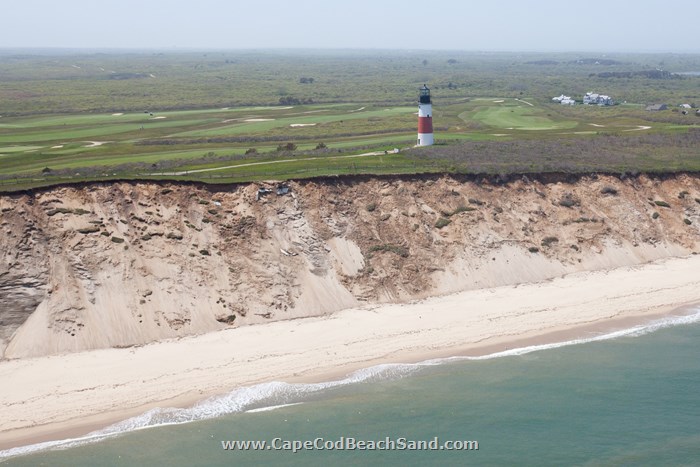
Aquinnah Public Beach (frequently referred to as Moshup Beach) is arguably the most visually spectacular and culturally significant stretch of shoreline on Martha's Vineyard. Located at the southwestern tip of the island at 20 Moshup Trail, Aquinnah, MA 02535, it sits directly beneath the world-famous, multi-colored clay cliffs.
1. The Landscape: Geological Marvels
The absolute defining feature of this beach is its backdrop. The Gay Head Cliffs are a designated National Natural Landmark, rising 150 feet above the ocean.
-
The Colors: The cliffs are made of layers of glacial clay deposited millions of years ago, showcasing vibrant streaks of dark red, bright yellow, stark white, and deep charcoal black.
-
Strict Protection: The cliffs are a highly fragile ecosystem and hold deep spiritual and historical significance to the local Wampanoag Tribe of Gay Head (Aquinnah). It is strictly illegal to climb, touch, or disturb the cliffs, or to remove any clay from the beach. Severe fines are enforced to protect them from accelerated erosion.
-
The Surf: Facing the open Atlantic near the intersection of Vineyard Sound, the water features rolling whitecap surf and moderate waves. The shoreline can be quite rocky in sections, making it a favorite for beachcombers looking for unique ocean stones.
2. The Cultural Footprint
The town of Aquinnah is one of two federally recognized Wampanoag tribal communities in Massachusetts.
-
The Legend of Moshup: The beach's alternative name honors Moshup, a benevolent giant spirit of Wampanoag tradition who lived among the cliffs. Tribal history holds that the deep red streaks in the cliffs came from the blood of the whales Moshup caught to feed his people, and the dark charcoal layers are the ashes from his cooking fires.
-
The Lighthouse: Perched safely back from the edge of the bluffs sits the historic Gay Head Light. Built in 1856 to guide ships past the treacherous "Devil's Bridge" reef just offshore, the massive brick tower was famously moved 129 feet inland in 2015 to rescue it from the eroding cliff edge.
3. Amenities & Infrastructure
Because the beach is part of a heavily protected ecological and cultural site, development on the sand itself is nonexistent.
-
The Walk: The public parking lot sits roughly a 10-to-15-minute walk (~0.3 miles) from the actual shoreline. The trek follows a flat, scenic, hard-packed dirt and gravel path winding through low coastal brush and dunes before opening onto the sand.
-
Facilities: There are no restrooms or running water directly down on the beach. However, a full municipal facility—including public restrooms, outdoor rinse showers, and drinking fountains—is located right next to the parking lot.
-
Food & Souvenirs: At the top of the cliffs, a short walk from the parking lot, sits the Aquinnah Circle cultural area. It features a row of small, seasonal Wampanoag-owned food shops, snack bars, and souvenir shops serving local seafood.
-
Lifeguards: Professional lifeguards are seasonally stationed on a designated section of the public beach during the peak summer weeks.
4. Parking Logistics & Fees
Unlike many smaller down-island beaches that require resident stickers, Aquinnah Public Beach is fully open to the general public, though it requires navigating a paid parking system:
-
The Daily Parking Fee: During the peak summer season (late May through Labor Day), parking in the main town municipal lot costs a flat $30 per day. The lot is quite large compared to others on the island, but because of the beach's massive status as a sightseeing destination, it can fill up by midday on gorgeous weekends.
-
Sunset Access: The parking lot attendants typically stop collecting fees in the late afternoon. This makes it highly accessible for visitors driving up to watch the sunset, which is a legendary island tradition as the dying sunlight illuminates the rich colors of the clay.